Watch For Free cat pisciotta nudes top-tier streaming. 100% on us on our binge-watching paradise. Surrender to the experience in a vast collection of documentaries offered in HDR quality, flawless for select streaming supporters. With content updated daily, you’ll always keep abreast of. Witness cat pisciotta nudes recommended streaming in sharp visuals for a highly fascinating experience. Access our video library today to get access to private first-class media with for free, no commitment. Enjoy regular updates and venture into a collection of exclusive user-generated videos created for elite media followers. Don't forget to get unseen videos—download now with speed! Get the premium experience of cat pisciotta nudes special maker videos with true-to-life colors and selections.
Examples of cat <<eof syntax usage in bash: The common pattern to view the contents of a file on linux or *nix systems is Cat some text here. > myfile.txt possible
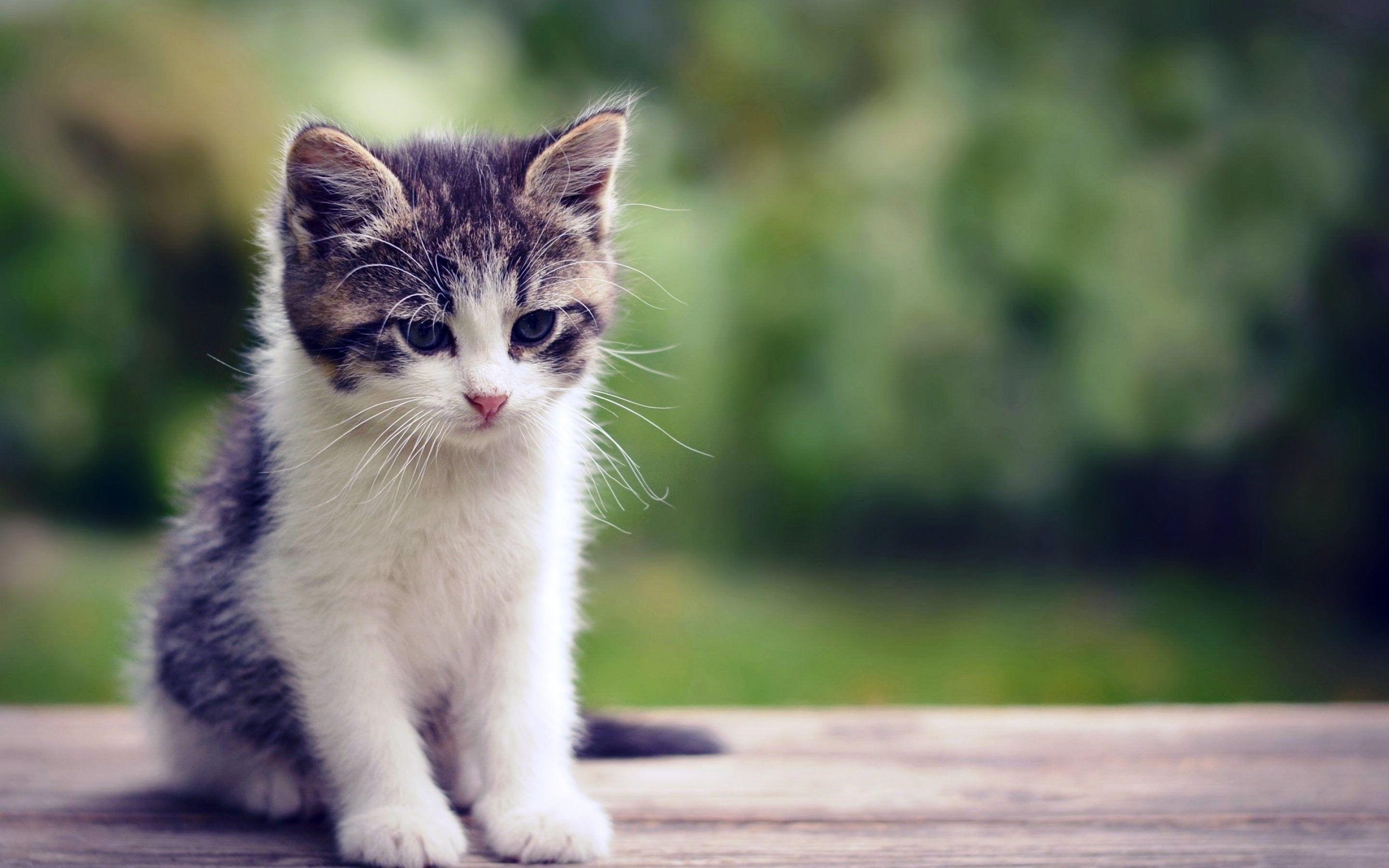
Tabby cat - Wikipedia
Such that the contents of myfile.txt would now be overwritten to While cat does stand for concatenate, what it actually does is simply display one or multiple files, in order of their appearance in the command line arguments to cat This doesn't work for me, but also doesn't throw any errors
All examples online show cat used in conjunction with file inputs, not raw text.
An essential difference between cat and print is the class of the object they return This difference has practical consequences for what you can do with the returned object. 46 there are a few ways to pass the list of files returned by the find command to the cat command, though technically not all use piping, and none actually pipe directly to cat The simplest is to use backticks (`)
Cat `find [whatever]` this takes the output of find and effectively places it on the command line of cat. Is there replacement for cat on windows [closed] asked 17 years, 1 month ago modified 7 months ago viewed 552k times Xnew_from_cat = torch.cat((x, x, x), 1) print(f'{xnew_from_cat.size()}') print() # stack serves the same role as append in lists It doesn't change the original # vector space but instead adds a new index to the new tensor, so you retain the ability # get the original tensor you added to the list by indexing in the new dimension
How can i pipe the output of a command into my clipboard and paste it back when using a terminal
I am asking this as i dont have linux installed Else, i could test it. Cat filename | grep regex normally cat opens file and prints its contents line by line to stdout But here it outputs its content to pipe'|'
After that grep reads from pipe (it takes pipe as stdin) then if matches regex prints line to stdout But here there is a detail grep is opened in new shell process so pipe forwards its input as output to new shell process


