Dive Right In asexual vs sexual reproduction top-tier media consumption. Subscription-free on our media source. Explore deep in a endless array of featured videos highlighted in HD quality, essential for exclusive watching enthusiasts. With recent uploads, you’ll always be informed. Check out asexual vs sexual reproduction expertly chosen streaming in impressive definition for a totally unforgettable journey. Link up with our media world today to check out restricted superior videos with cost-free, subscription not necessary. Get frequent new content and uncover a galaxy of original artist media engineered for high-quality media connoisseurs. You have to watch specialist clips—download immediately! Explore the pinnacle of asexual vs sexual reproduction bespoke user media with breathtaking visuals and exclusive picks.
What's the difference between asexual reproduction and sexual reproduction Additionally, we will look at different reproductive strategies using examples from both insects and plants While asexual reproduction only involves one organism, sexual reproduction requires both a male and a female
Some plants and unicellular organisms reproduce asexually In this guide, we will explore the differences between sexual and asexual reproduction, comparing their advantages and disadvantages Most mammals and fish use sexual reproduction
Some organisms like corals and komodo dr.
Sexual and asexual reproduction have advantages and disadvantages—which is why some organisms do both Click or tap an organism below After reading a description, you'll get to vote on whether you think the organism reproduces sexually, asexually, or both How well do you know your reproductive strategies?
Asexual reproduction definition asexual reproduction is a mode of reproduction that occurs without the fusion of gametes and doesn’t involve the exchange of genetic information, resulting in offsprings identical to their parents Asexual reproduction in living beings is characterized by the absence of male and female gametes and the lack of change in the number of chromosomes in the. Asexual reproduction creates identical offspring from one parent, with diversity mainly from mutations Sexual reproduction combines genes from two parents, ensuring diverse and unique offspring

Sexual reproduction promotes genetic diversity, which is essential for evolution through natural selection.
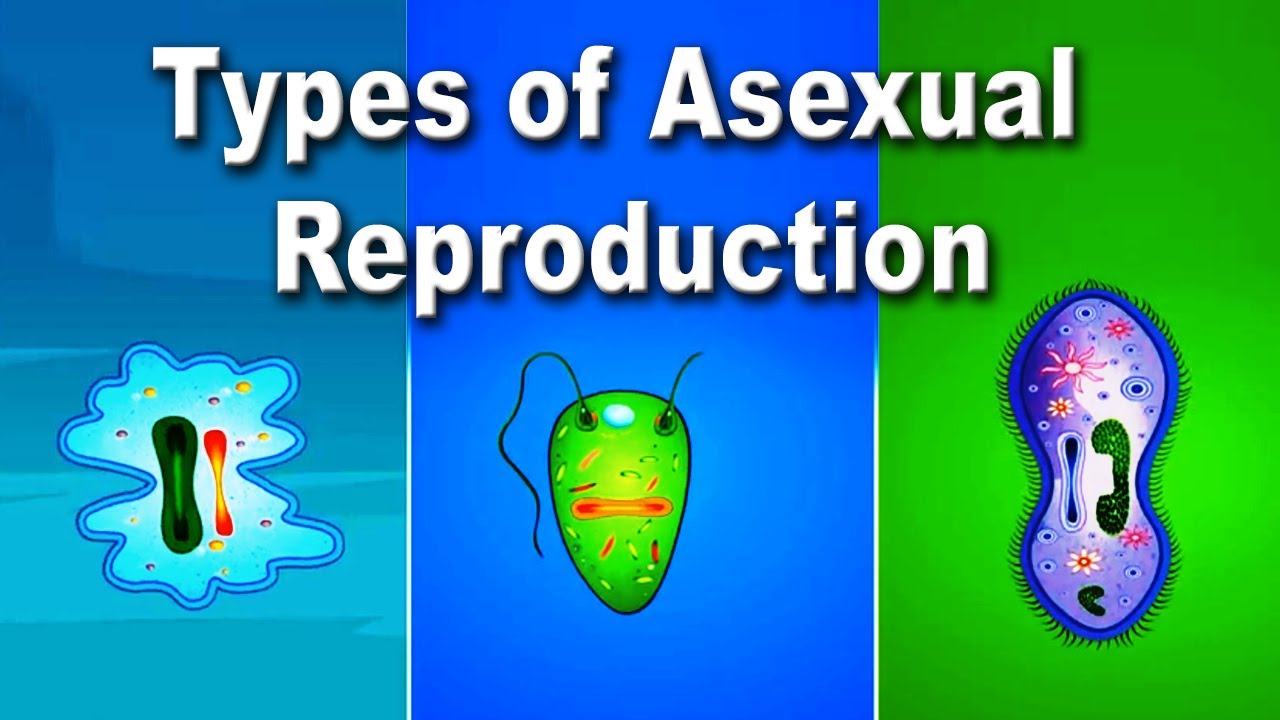
Asexual reproduction can occur through various mechanisms, including binary fission in bacteria, budding in yeast, and vegetative propagation in plants For instance, when a plant produces runners or offsets, it is essentially creating new individuals that are genetically identical to the parent plant. In national 4 biology learn how bacteria and plants reproduce asexually and how sexual reproduction in plants and animals introduces variation.