Begin Immediately sun sextile mars transit world-class digital media. Free from subscriptions on our content hub. Dive in in a huge library of content put on display in 4K resolution, flawless for discerning streaming patrons. With content updated daily, you’ll always be in the know. Explore sun sextile mars transit hand-picked streaming in sharp visuals for a totally unforgettable journey. Link up with our media world today to browse members-only choice content with at no cost, free to access. Benefit from continuous additions and journey through a landscape of special maker videos built for high-quality media fans. Don't pass up singular films—download fast now! Enjoy the finest of sun sextile mars transit uncommon filmmaker media with amazing visuals and staff picks.
The sun will last, at its current brightness for 9 billion more years With the given information, estimate earth's speed around the sun in milers per hour. How long until the sun gets burned down to the point where it cannot sustain life on earth anymore
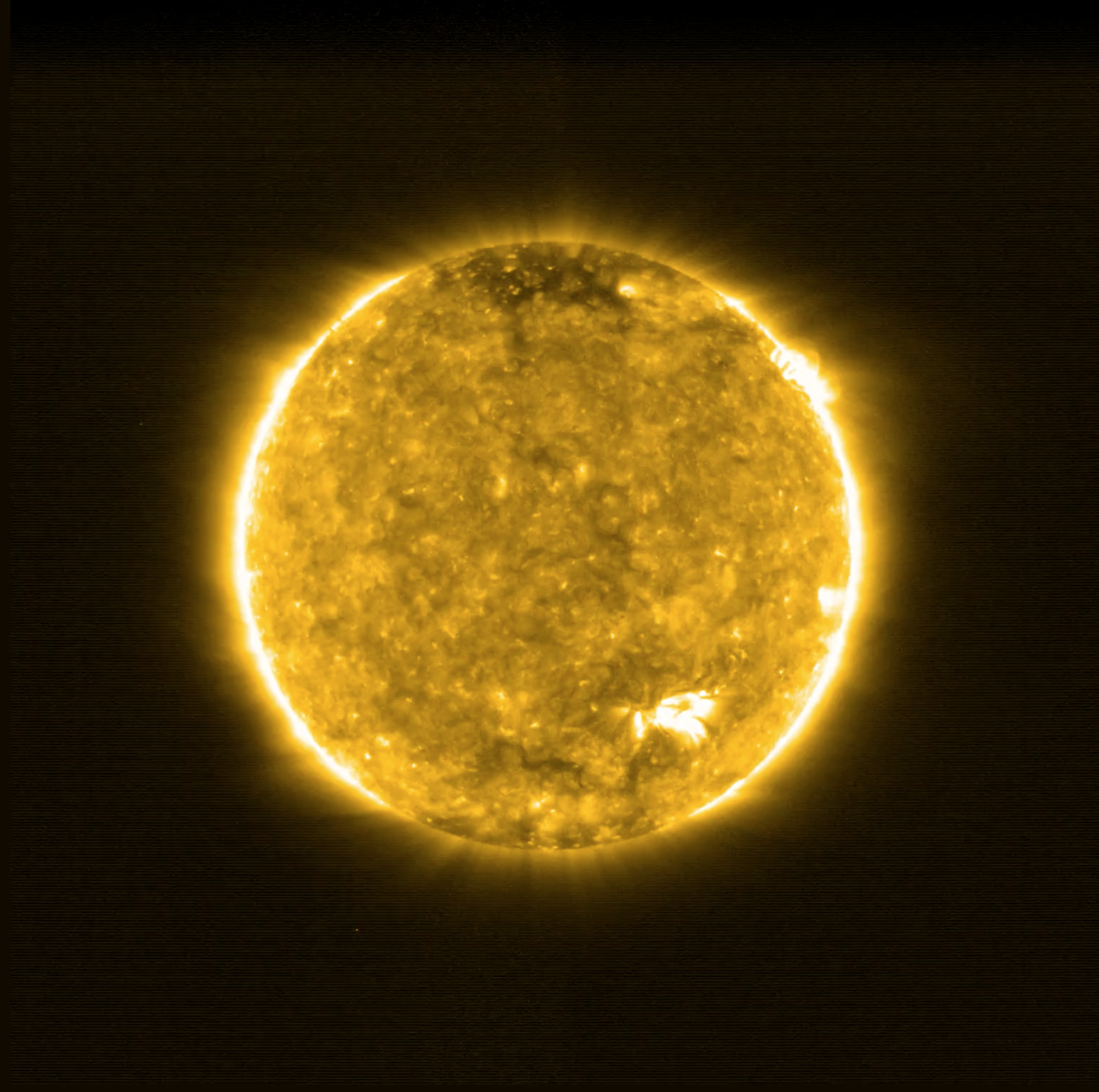
NASA releases closest-ever images of the sun from European Space Agency
It's consensus that the very similar apparent sizes of the moon and the sun as seen from earth is a coincidence (as already answered in this site) Find an equation of the earth's orbit about the sun This provides us with almost exact total solar
If this is the case, then when we read things like what time sun sets and rises on websites, books, calendars, other official times, et al… does that mean when we see for example ‘sun set at 18:35’ is the time denoting the actual sun set taking into account of the mirage or what is visible to us.
The sun's energy comes primarily from fusion of light elements in its core Those are completely different things As i asked before, separate threads, please. Assume you're talking to someone ignorant of the basic facts of astronomy
How would you prove to them that earth orbits the sun Similarly, how would you prove to them that the moon orbits earth? The sun's spectrum is very complex, and indeed there are a lot of lines—both light and dark (emission and absorption)—amidst a sea of what looks to be continuous frequencies. The sun outputs about 1300 watts per square meter (w/m²) in space near the earth, which gets reduced to around 650 w/m² in the middle of the day after going through the atmosphere
1 watt is defined as 1 joule per second (j/s).
These two distances help identify the location of the sun on the major axis of earth's elliptical orbit