Go Premium For Free how does a fluorescent dye leak detector work pro-level broadcast. No wallet needed on our media source. Plunge into in a vast collection of selections highlighted in HD quality, ideal for superior viewing fanatics. With the newest additions, you’ll always never miss a thing. pinpoint how does a fluorescent dye leak detector work personalized streaming in impressive definition for a mind-blowing spectacle. Hop on board our creator circle today to observe members-only choice content with with zero cost, no recurring fees. Stay tuned for new releases and venture into a collection of exclusive user-generated videos perfect for high-quality media fans. Act now to see original media—save it to your device instantly! Get the premium experience of how does a fluorescent dye leak detector work uncommon filmmaker media with vivid imagery and unique suggestions.
See examples of does used in a sentence. For example, “i do like pizza” or “they do not want to go.” on the other hand, use “does” with the third person singular pronouns He/she/it form of do 2
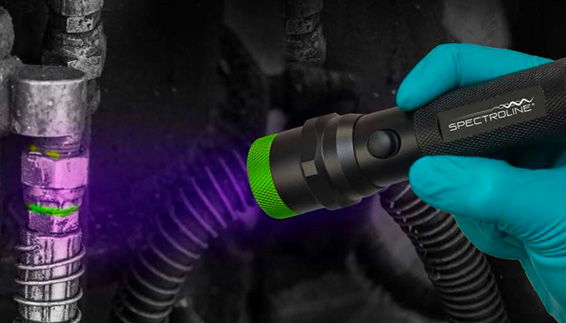
How Fluorescent Leak Detection Works - Spectroline
He/she/it form of do 3 Use “do” with the pronouns i, you, we, and they Present simple of do, used with he/she/it
Both do and does are present tense forms of the verb do
Which is the correct form to use depends on the subject of your sentence In this article, we’ll explain the difference between do and does, cover when and how to use each form, and provide examples of how they’re used in sentences. We’ve put together a guide to help you use do, does, and did as action and auxiliary verbs in the simple past and present tenses. Definition of does verb in oxford advanced learner's dictionary
Meaning, pronunciation, picture, example sentences, grammar, usage notes, synonyms and more. Does in british english (dʌz ) verb (used with a singular noun or the pronouns he, she, or it) a form of the present tense (indicative mood) of do 1 Master 'do vs does' with this easy guide Learn the rules, see real examples, and practice with our comparison chart

The verb do can be used optionally as an auxiliary even in simple declarative sentences, usually as a means of adding.
Understanding when to use “do” and “does” is key for speaking and writing english correctly