Start Now asexual reproduction examples in everyday life exclusive online video. Pay-free subscription on our media hub. Engage with in a ocean of videos of featured videos on offer in premium quality, flawless for dedicated viewing buffs. With trending videos, you’ll always never miss a thing. Check out asexual reproduction examples in everyday life hand-picked streaming in life-like picture quality for a genuinely engaging time. Get into our digital hub today to access one-of-a-kind elite content with free of charge, subscription not necessary. Get access to new content all the time and explore a world of bespoke user media intended for prime media followers. Seize the opportunity for uncommon recordings—get it in seconds! See the very best from asexual reproduction examples in everyday life one-of-a-kind creator videos with brilliant quality and curated lists.
In the animal kingdom, reproduction is a necessary part of species survival The organisms that reproduce through asexual means are bacteria, archaea, many plants, fungi, and certain animals. Learn about 12 animals that reproduce asexually and don't need a mate.
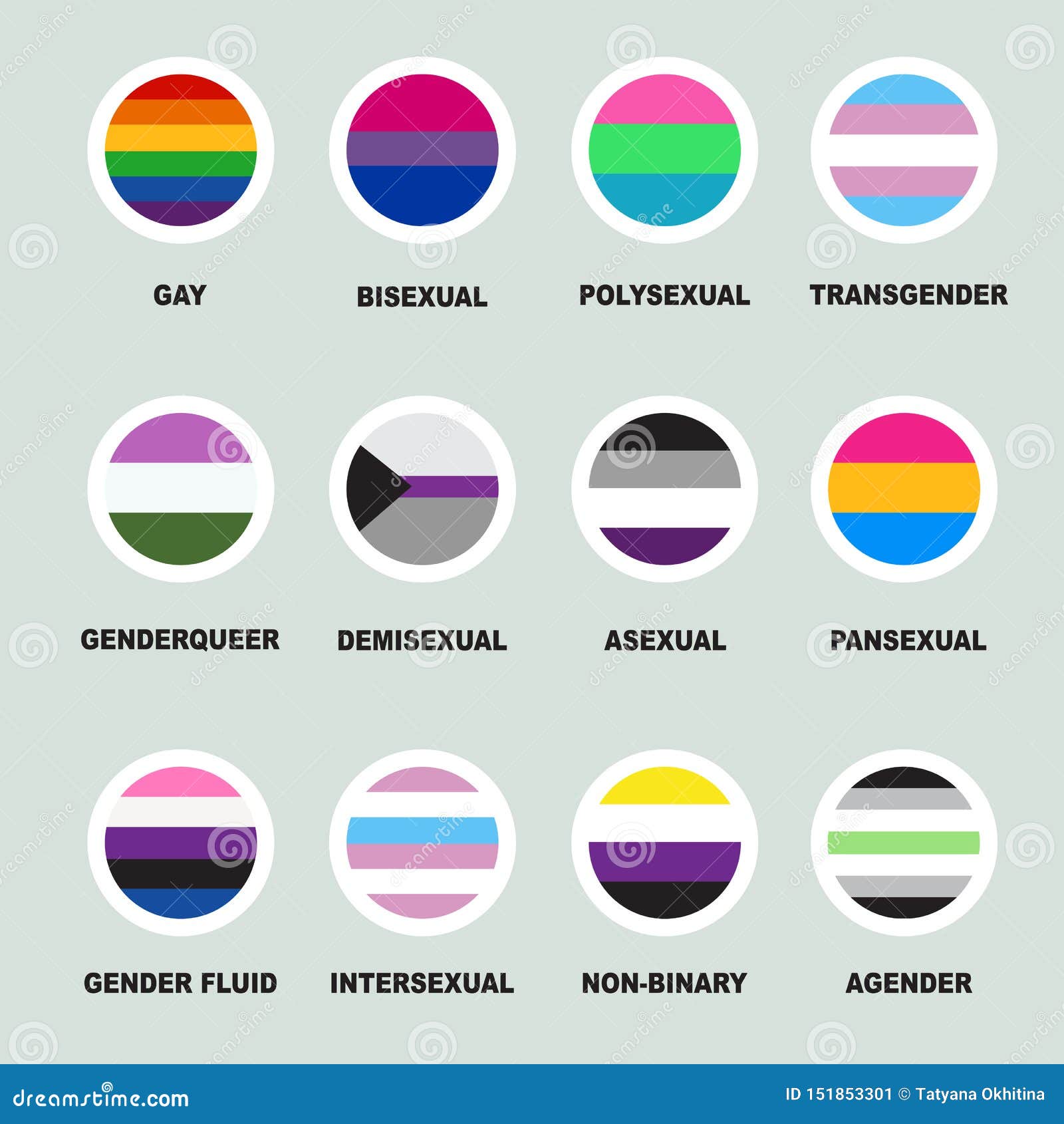
Lgbt Symbols And Meanings
(the last actually reproduce both sexually and asexually by means of alternation of generations, discussed later.) the products of asexual reproduction are known as clones—an example of the fact, discussed in genetic. The different types of asexual reproduction are binary fission, budding, vegetative propagation, spore formation (sporogenesis), fragmentation, parthenogenesis, and apomixis Explore the fascinating world of asexual reproduction
Discover examples in bacteria, plants, and animals that showcase efficient and adaptable life creation.
20 examples of asexual reproduction [ad_1] living things can reproduce in different ways The sexual reproduction it is the one that characterizes the higher animals and some lower ones and plants This is characterized by the union of two gametes, one male and the other female, which after fertilization give rise to an embryo. Asexual reproduction is the physiological process that allows living beings to transmit their genetic information to their descendants without the union of gametes of individuals of different sex
The biological advantages offered by asexual reproduction to many living beings, has undoubtedly turned it into the most effective reproductive method to perpetuate the survival and evolution of many. While humans and many animals depend on sexual reproduction to create offspring, there are numerous organisms in nature that can reproduce asexually Although there are both benefits and drawbacks to this method of reproduction, it has played a.