Start Now bile leakage after gallbladder removal VIP broadcast. Freely available on our viewing hub. Get swept away by in a immense catalog of binge-worthy series put on display in best resolution, optimal for elite watching followers. With the latest videos, you’ll always be ahead of the curve. Uncover bile leakage after gallbladder removal personalized streaming in breathtaking quality for a totally unforgettable journey. Enter our platform today to watch one-of-a-kind elite content with absolutely no cost to you, no strings attached. Get fresh content often and delve into an ocean of uncommon filmmaker media made for first-class media enthusiasts. Make sure you see distinctive content—download immediately! Indulge in the finest bile leakage after gallbladder removal distinctive producer content with true-to-life colors and preferred content.
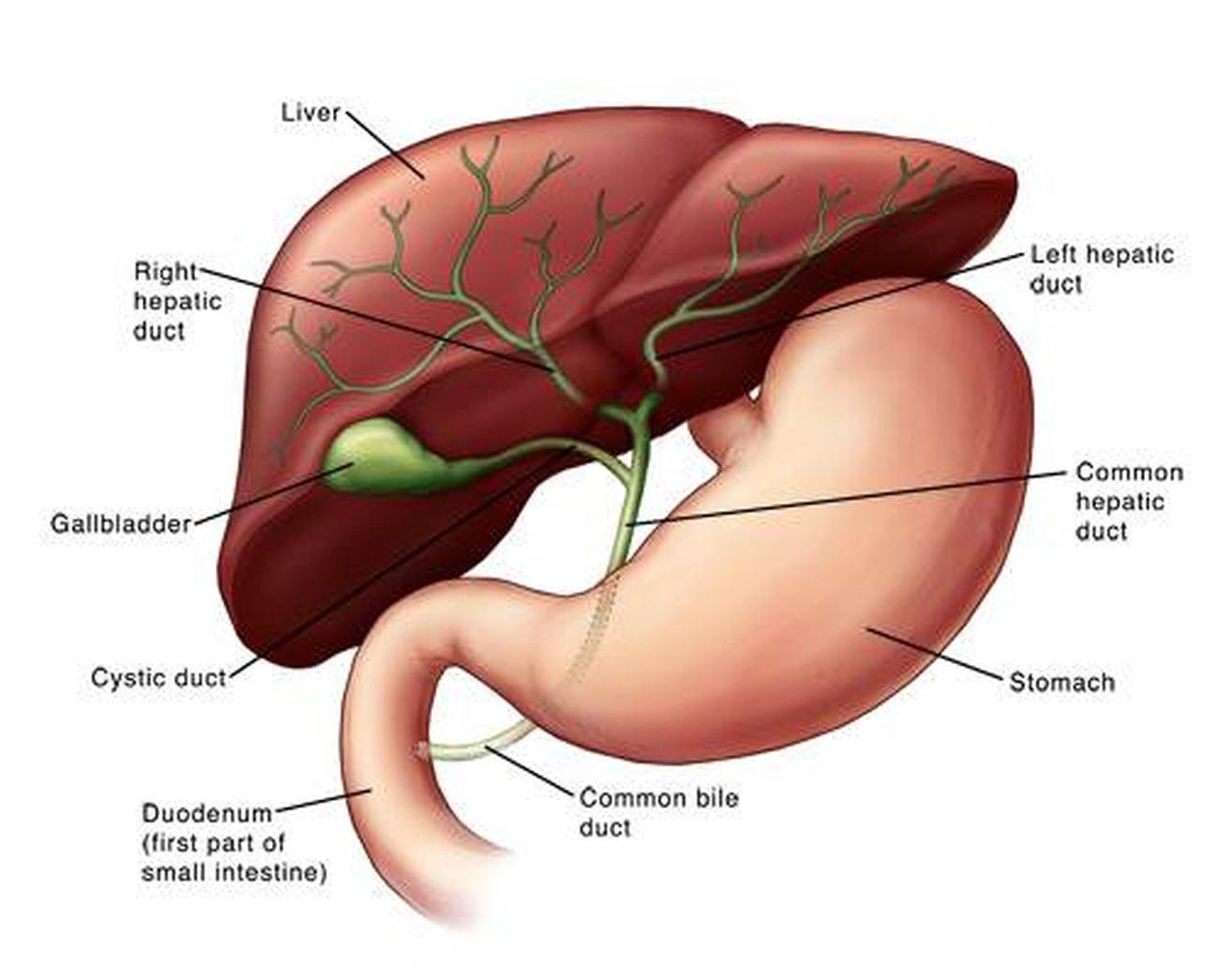
In humans, bile is primarily composed of water, is produced continuously by the liver, and is. The biliary organs and duct system that creates, transports, stores, and releases bile into the duodenum for digestion includes the liver, gallbladder, and bile ducts (named the cystic, hepatic, common, and pancreatic duct). It helps your body break down fats in the foods you eat and makes it easier for digestive enzymes to do their job.
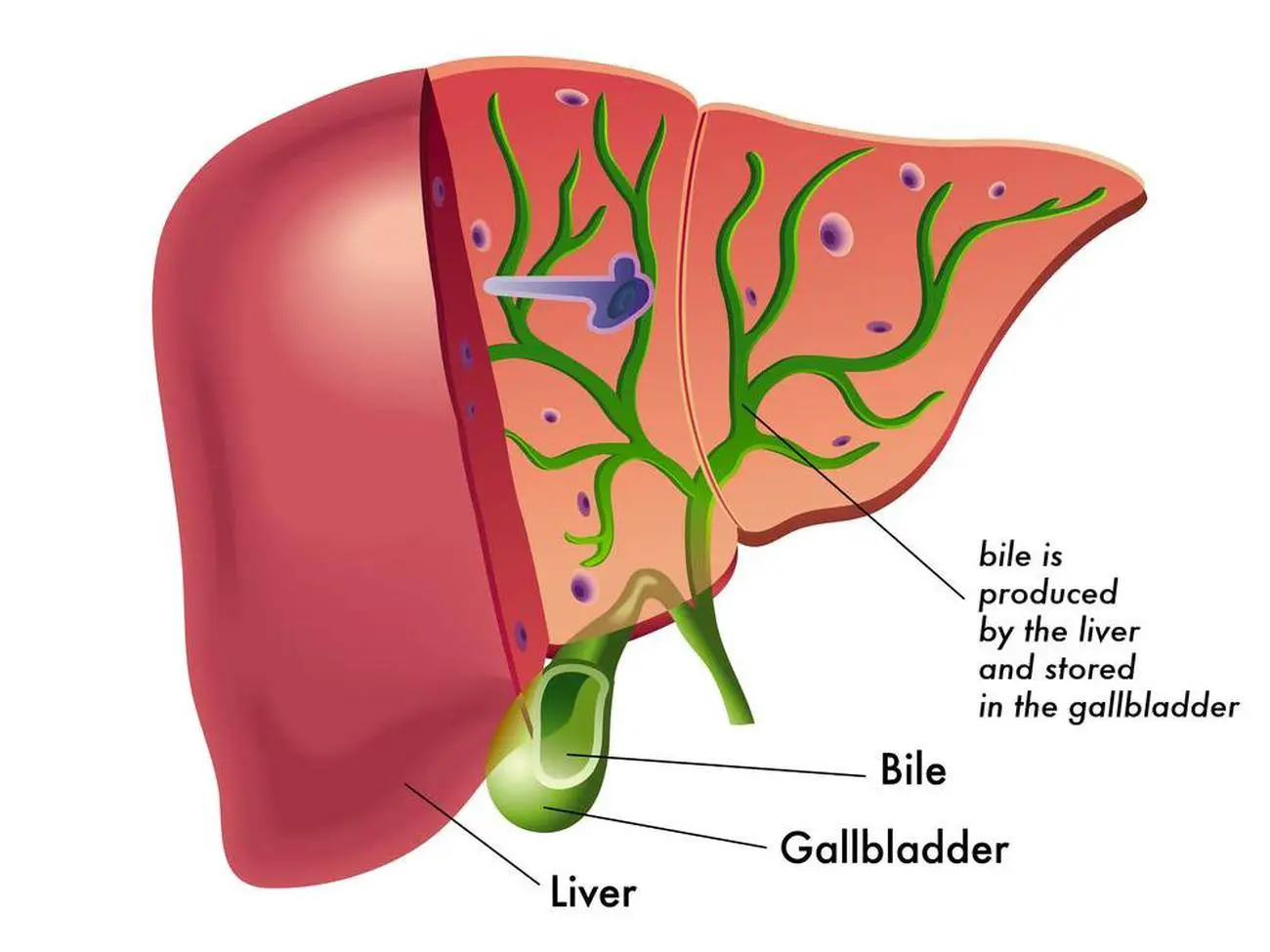
Medical illustration that represents the production of bile from the liver Stock Vector Image
Bile is made in your liver and stored in your gallbladder. Lipids in the duodenum stimulate the release of cholecystokinin, which stimulates gallbladder. Its main job is to break down fats into fatty acids so that they can be absorbed by your body through the digestive tract
Bile is stored in the gallbladder and is sometimes also called gall.
Bile is a liquid produced by the liver that helps your body digest fats from the food you eat It is stored in the gallbladder and empties into your intestines during digestion. Bile is a fundamental and unique secretion of the liver After its secretion, bile is stored and concentrated in the gallbladder