Begin Now melena ryabushkina high-quality media consumption. No hidden costs on our on-demand platform. Submerge yourself in a endless array of tailored video lists available in flawless visuals, suited for premium watching mavens. With up-to-date media, you’ll always keep current. Encounter melena ryabushkina themed streaming in retina quality for a highly fascinating experience. Get into our video library today to look at solely available premium media with free of charge, no recurring fees. Enjoy regular updates and explore a world of unique creator content developed for exclusive media buffs. Act now to see exclusive clips—get it in seconds! Access the best of melena ryabushkina special maker videos with dynamic picture and curated lists.
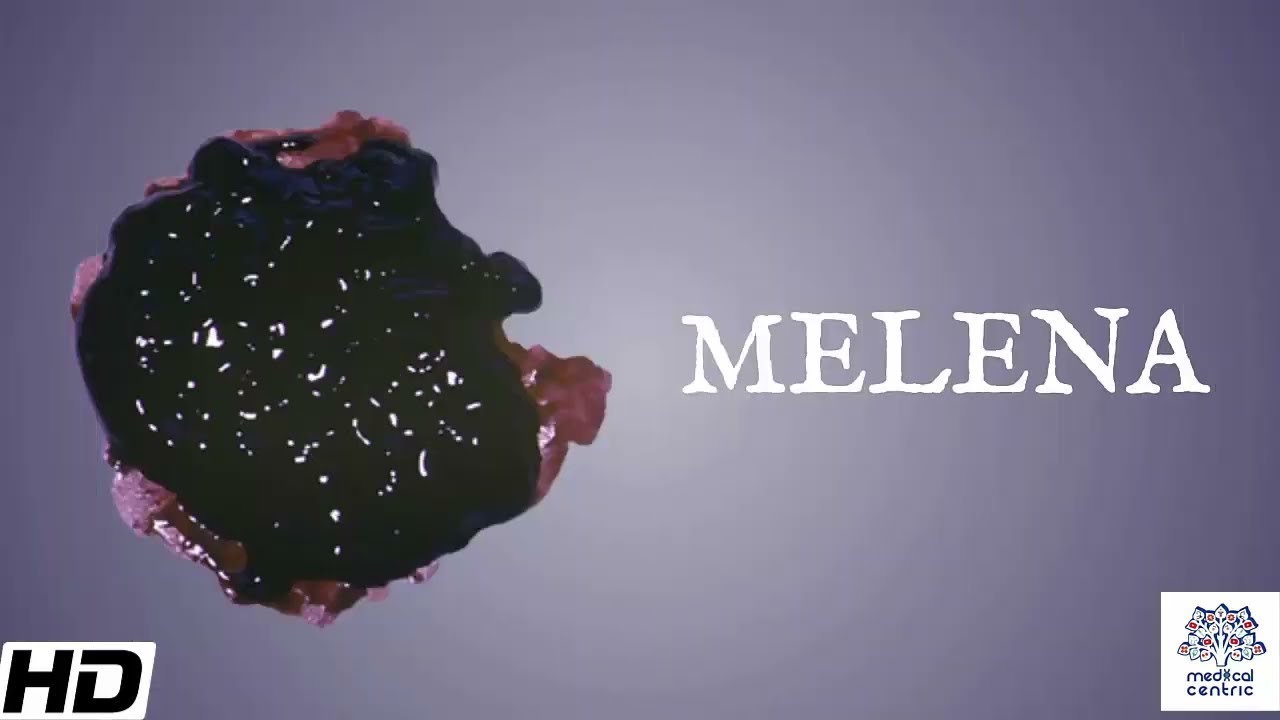
Melena (black stool) is a symptom of internal bleeding, usually in your upper gastrointestinal (gi) tract Possible causes, signs and symptoms, standard treatment options and means of care and support. The blood turns black as it travels through your digestive system before coming out in your poop.
What Does Melena Look Like In Dogs
Hematochezia and melena are two terms that describe different ways blood can appear in your stool Overt bleeding might show up as: Hematochezia is bright red blood that generally starts lower in the digestive tract
Melena generally starts much higher up in the digestive tract and results in black, tarry stools.
Melena refers to black, tarry, sticky stools and usually results from upper gastrointestinal bleeding The source of bleeding can come from damage to the lining of the gi tract, breakage of swollen blood vessels, or other conditions that prolong bleeding such as hemophilia. Melena is a form of blood in stool which refers to the dark black, tarry feces that are commonly associated with upper gastrointestinal bleeding [1] the black color and characteristic strong odor are caused by hemoglobin in the blood being altered by digestive enzymes and intestinal bacteria.
See a healthcare provider when melena is present, as blood in the stool is never normal. Symptoms of gi bleeding can be easy to see, called overt, or not so obvious, known as occult Symptoms depend on the rate of bleeding as well as the location of the bleed, which can be anywhere on the gi tract, from where it starts — the mouth — to where it ends — the anus