Dive Right In miss moon only fans world-class on-demand viewing. No subscription fees on our cinema hub. Immerse yourself in a treasure trove of selections displayed in Ultra-HD, tailor-made for choice streaming junkies. With recent uploads, you’ll always stay in the loop. Witness miss moon only fans expertly chosen streaming in stunning resolution for a deeply engaging spectacle. Link up with our content collection today to look at VIP high-quality content with zero payment required, no subscription required. Look forward to constant updates and experience a plethora of special maker videos created for select media aficionados. Make sure you see special videos—download immediately! Discover the top selections of miss moon only fans rare creative works with vivid imagery and members-only picks.
Miss was originally a title given primarily to children rather than adults It has been used by itself (as a term of direct address) or in combination with a first or last name, a descriptor of a prominent characteristic, or something else the person represents. During the 1700s, its usage broadened to encompass adult women
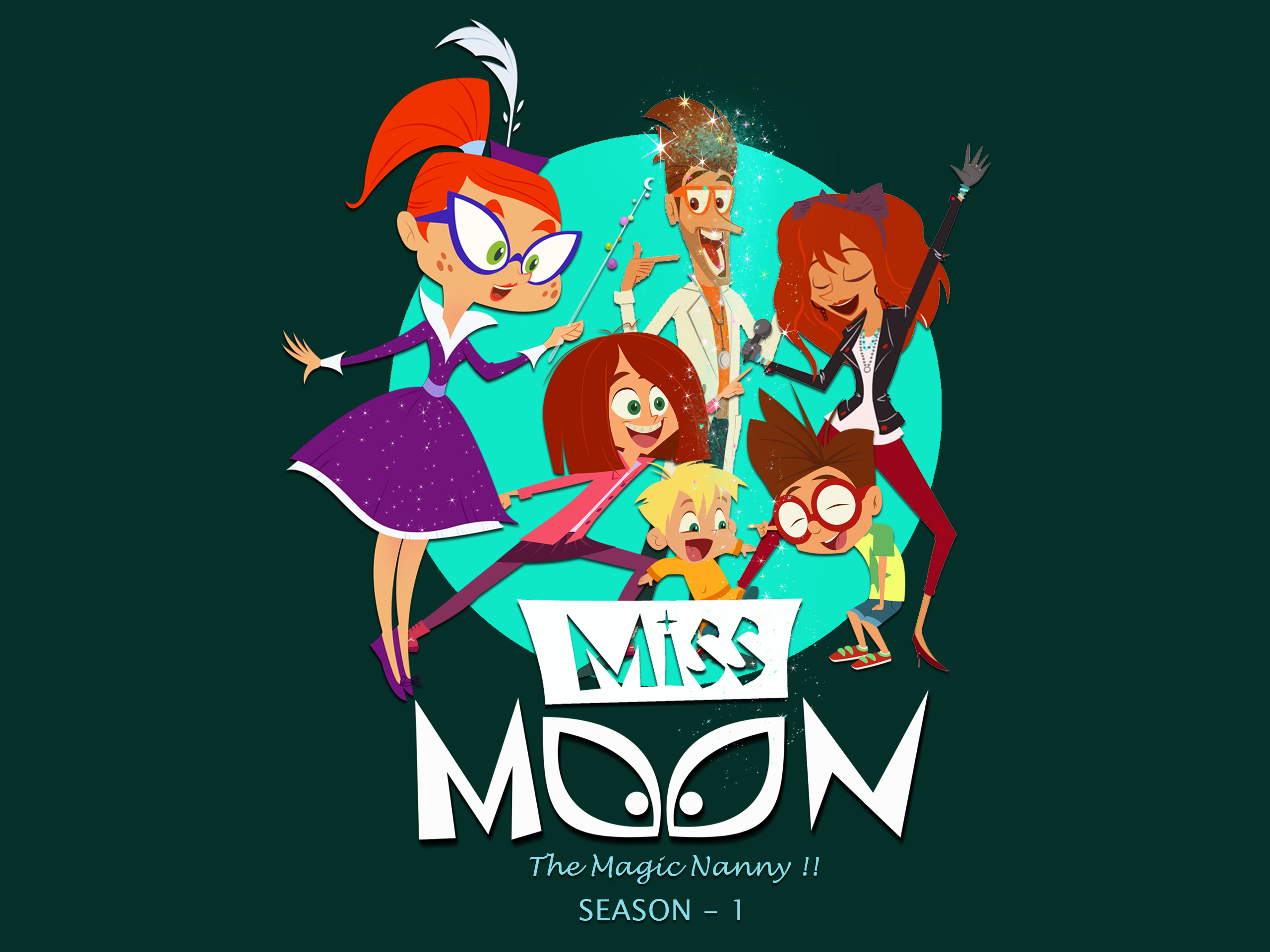
Miss Moon by SraAdri on DeviantArt
The title emerged as a polite way to address women, reflecting changing societal norms and class distinctions. Miss, when attached to a name, is a traditional title of respect for a girl or unmarried woman Miss is a title used for an unmarried woman
It’s used mainly for young women and girls
It can also be used for older unmarried women, but ms Is more common in that context. The meaning of miss is to fail to hit, reach, or contact How to use miss in a sentence.
Miss is traditionally used as a polite way of addressing or referring to a young, unmarried woman It would normally be followed by a last name, although in certain parts of the american south it could be considered good form to use miss with a first name. Learn the full forms and correct usage of mr., mrs., ms., and miss, plus tips on modern etiquette for addressing men and women. Miss (plural misses or mlles) a form of address, now used chiefly for an unmarried woman

To fail to do or experience something, often something planned or expected, or to avoid doing or…
Miss is for an unmarried woman Is for a married woman There are nuances with each one In the uk, using periods is less common.
Here’s how to use ms Miss—and why the terms are important to women's history.